
Asthma is one of the most common diseases of our time. This chronic condition is often linked to a modern, fast-paced, unhealthy lifestyle in a heavily polluted environment. Tightness in the chest, shortness of breath, coughing, wheezing, a feeling of suffocation, restlessness and insomnia are the most common symptoms of asthma. By changing your lifestyle, eating properly, using medicinal herbs and exercising moderately, you can significantly ease the discomfort that comes with this disease.
The herbal blends in this article are traditional recipes by Serbian herbalist Momčilo Antonijević.
What Happens During Asthma
Asthma is not a problem with breathing in, but with breathing out. A healthy person needs one second to exhale 75 to 85% of the air from the lungs and about 3 seconds to empty them, while a person with asthma needs between 6 and 7 seconds.
During an asthma attack, swollen bronchial tissue and tightened muscles narrow the small airways in the lungs, which can also become blocked by excess mucus. Stale air remains trapped in the lower part of the lungs, so people with asthma are forced to breathe only with the upper part of the lungs.
Asthma symptoms are not constantly present but come in waves. The second wave, when symptoms suddenly return with unexpected intensity, is usually considered the most dangerous. Symptoms are activated by so-called triggers (pollen, animal hair, tobacco smoke, dust, certain chemicals). Stress can also act as a trigger, so asthma can to a large extent also be a psychosomatic disease.
It is widely believed that childhood asthma (which appears between the ages of 2 and 10) is usually outgrown. However, this is very often not the case, just as it is possible for an adult to develop asthma. People with asthma very often also suffer from allergies, so it is very important to identify the allergen, that is, the substance that causes the allergic reaction. Heredity also plays a significant role, as it has been found that genetic factors influence the development of this disease.
Asthma is a serious disease that requires medical treatment. However, you can help yourself a great deal with medicinal herbs.
Herbs That Help with Asthma
One of the most commonly used herbs is coltsfoot (Tussilago farfara). The Latin name of this plant comes from the word tussis, which means cough. Coltsfoot stimulates the expulsion of mucus. It also prevents the body from producing platelet-activating factor, a protein that triggers bronchial spasm and narrows the airways, which is what actually causes asthma attacks. Garlic (Allium sativum) has a similar effect.
However, trace amounts of pyrrolizidine alkaloids, substances toxic to the liver, have been found in coltsfoot. Their concentration is low, though, and there are no harmful effects if you drink up to three cups of tea over a period of one month.
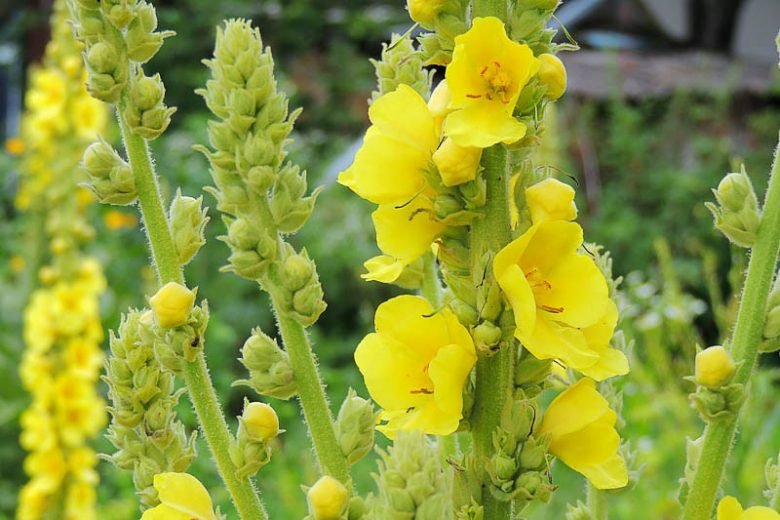
Herbs with anti-asthmatic action also include broadleaf plantain, licorice, fennel, yarrow and especially mullein. Lavender and mistletoe have a calming effect, so they are of great help when attacks are caused by stress.
Nettle is also a very valuable plant for people with asthma, especially for those who suffer from respiratory allergies, because it is a strong antihistamine. In Europe, nettle has a centuries-long tradition in the folk treatment of respiratory diseases (most often as freshly squeezed juice from the leaves, sweetened with honey).
Medicines that suppress asthma (bronchodilators) also include theophylline and theobromine, purine derivatives found in high proportions in caffeine-containing plants: coffee, tea, cola and cocoa.
Herbal Tea Blends for Asthma
Blend 1
- Coltsfoot (Tussilago farfara) – 25 g
- Broadleaf plantain (Plantago major) – 25 g
- Licorice (Glycyrrhiza glabra) – 20 g
- Fennel (Foeniculum vulgare) – 20 g
- Lavender (Lavandula officinalis) – 10 g
Mix all the herbs, then pour 750 ml of boiling water over 3 tablespoons. Stir, cover and leave for 30 minutes. Strain and drink one cup three times a day after meals.
Blend 2
- Mullein (Verbascum thapsus) – 30 g
- Yarrow (Achillea millefolium) – 20 g
- Ground ivy (Glechoma hederacea) – 20 g
- Greater celandine (Chelidonium majus) – 15 g
- Fennel (Foeniculum vulgare) – 15 g
Mix the herbs, then pour 750 ml of boiling water over 3 tablespoons. Stir, cover and leave for 30 minutes. Strain and drink one cup three times a day after meals.
Blend 3 – Especially Effective
This blend has proven to be very effective:
- Elecampane (Inula helenium) – 150 g
- White horehound (Marrubium vulgare) – 150 g
- Thyme (Thymus vulgaris) – 100 g
Mix the herbs, then pour 750 ml of boiling water over three tablespoons of the mixture. Stir, cover and leave for one hour. Strain and drink 250 ml of tea three times a day, sweetened with honey if you like.
Ivy Tea
Ivy tea (Hedera helix) is a traditional remedy for asthma. Pour half a liter of boiling water over a teaspoon of dried ivy leaf, stir, wait 15 minutes and strain. Drink ivy tea for three days, then take a one-day break.
Ginkgo
Ginkgo (Ginkgo biloba) is an effective remedy for asthma. Use capsules with active ginkgo leaf extract according to the instructions.
Nettle Juice with Honey
In spring, when young nettle is available, squeeze the juice from fresh, well-washed leaves in a juicer. Add 1 part honey to 3 parts juice, mix and keep in the refrigerator. Take 1 tablespoon 3 to 5 times a day.
Aromatherapy for Asthma
Aromatherapy recommends the essential oils of eucalyptus, mint, anise, lavender and hyssop for people with asthma. Put a few drops of oil or a blend of oils into a bowl of hot water. Cover your head with a towel and deeply inhale the fragrant steam. Your airways are cleared and the expulsion of mucus is encouraged.
Diet and Home Tips for Asthma
- People with asthma are advised to avoid foods rich in sulfites, which include beer, wine, wine vinegar, grapes and grape juice, shrimp, dried fruit and instant potatoes. Avoiding milk and dairy products is also recommended.
- It is especially important to get rid of dust mites. Dust regularly and get washable floor rugs. Bedding and pillows should be made of synthetic material or cotton, not wool or feathers. Also, do not heat the room above 20 °C.
- If your child has asthma, wash their plush toys regularly (every three months) or put them in the freezer often for two to three hours.
- Avoid spray deodorants and artificial air fresheners. Use aroma lamps instead. With eucalyptus, lemon or pine essential oil you will freshen and disinfect the room, enrich it with beneficial negative ions and prevent the air from drying out too much.
- Tobacco smoke is, of course, especially harmful for people with asthma. Because smoke is heavier than air, it collects low, near the floor, so children are especially at risk.
- If you suffer from asthma, it is desirable to breastfeed your child for at least six months, so that the child builds adequate immunity and is protected from allergies.
Asthma in Numbers
The number of people with asthma worldwide has risen sharply in the last twenty years. It is estimated that there are about 150 million today. Most of them are in Italy and Britain, where people with asthma make up about 35% of the population. Asthma is the most common reason for children's hospitalization and school absences (in America alone, this amounts to 145 million school hours a year).
Many people with asthma also suffer from allergies. Read more in Allergies: Natural Remedies and Herbal Teas.