
Plants have always attracted the attention of scientists trying to find a cure for cancer. Many cytostatics (anti-cancer drugs) are obtained from plants (for example, from the English oak or the yew). Some plants that have shown success in treating malignant diseases are extremely poisonous. Autumn crocus, a plant that contains the alkaloids colchicine and colchamine – substances that have shown effectiveness in fighting malignant cells – is one of the most poisonous plants, and using it on your own is absolutely not recommended.
Many plants have proven to be effective preventive remedies and are therefore especially recommended for people at increased risk of cancer. There are also herbal remedies that do not act directly on the disease but strengthen the body's natural ability to deal with cancer on its own. In any case, before using herbal remedies it is good to consult a doctor, especially if you are undergoing chemotherapy or radiation therapy.
This overview was written by Serbian herbalist Momčilo Antonijević.
Garlic and Onion
It has long been observed that in countries whose cuisines use a lot of onion and garlic, the number of people with cancer is lower. Analyzing the mechanisms behind the positive therapeutic effect of garlic and onion, researchers point above all to their pronounced antitumor activity and their ability to stimulate the vital activity of healthy tissue and enhance regeneration processes. Garlic is by far most effective when eaten fresh and raw, because its active principle, allin, breaks down very easily, while onion is very beneficial even when cooked.
Green Tea
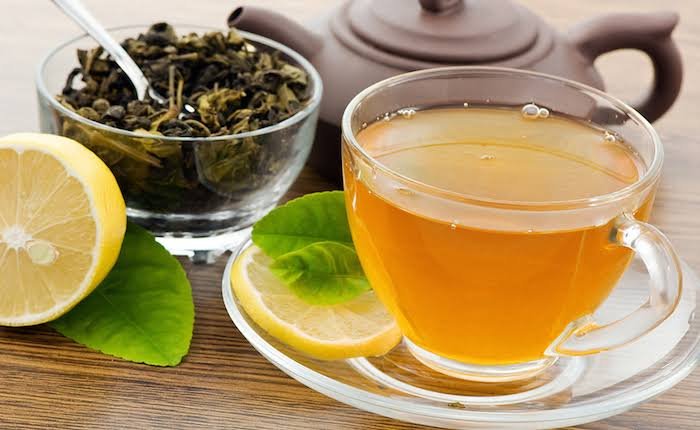
The tradition of tea drinking in the East is considered one of the reasons for long life expectancy. Research conducted at Columbia University and the University of Milan has shown that the polyphenols in this drink have the ability to reduce the incidence and slow the progression of prostate cancer. A liter of green tea a day is a good substitute for coffee.
It is important to prepare green tea properly: pour 300 ml of hot water over a teaspoon of green tea (the water must not be boiling, but hot; you will get the right temperature if you do not let the water boil, or if, after boiling, you let it cool for one minute before pouring it over the tea). The temperature matters, because if the water is hotter than 80 °C, the drink will get an unpleasant taste reminiscent of fish. After pouring the water over the tea, cover the container and leave it to steep for at least three and at most five minutes. Then strain it and let it cool a little, because green tea is drunk warm, not hot.
Chaga (Birch Mushroom)
This mushroom, which is collected from the bark of living birch trees, enjoys great trust in Russian and Polish traditional medicine. The birch mushroom has an irregular shape and a dark brown color, often reaches up to 50 cm in diameter and can weigh up to 2.5 kg. This mushroom is an active biogenic stimulant that restores enzyme systems destroyed by various kinds of inhibitors. It improves and eases the general health of patients.
Greater Celandine
Greater celandine (Chelidonium majus) is an unusually medicinal plant full of yellow sap that oozes out when you pick it. It is believed that swallows rub this sap on the eyes of their young so that they can open them (hence its Latin name: chelidon means swallow in Greek). Russian scientists have confirmed the centuries-old folk trust in greater celandine when it comes to treating certain malignant diseases. Purified extract of this plant has been used to treat some forms of skin cancer. Herbalists often add greater celandine to tea blends intended for people who have cancer. Greater celandine should be used cautiously, strictly following the prescribed doses and duration of the treatment.
Mistletoe
This parasitic plant has been used for thousands of years in treating various types of tumors. Hippocrates already wrote about this use. Mistletoe lives on different trees, and its composition depends on the tree from which it was picked. Russian scientists claim that mistletoe from oak is the most effective.
Mistletoe tea is prepared as follows: pour a cup of boiling water over 1 tablespoon of white mistletoe leaf, stir, cover and leave for half an hour. Strain and drink unsweetened. Two cups of this tea a day are recommended. Do not use mistletoe while receiving cytostatics.
Kelp (Laminaria)
This seaweed, also known as sea cabbage, is recommended for everyone who has finished chemotherapy or radiation therapy. The seaweed is taken as a powder mixed with warm water, tea or soup three times a day. With longer use of kelp, patients' physical and mental condition gradually improves (depression and anxiety have been observed to be less pronounced). The function of the intestinal tract normalizes, appetite improves and blood parameters return to normal.
Eleuthero
Siberian ginseng, as this plant is also called, belongs to the group of adaptogens – herbal remedies that help the body adapt and respond properly to various harmful external influences. It helps the body maintain homeostasis – the delicate state of balance necessary for life. The extract of this plant does not act directly on the tumor, but strengthens the body's own ability to fight the tumor. People at increased risk of cancer should use eleuthero preventively. Eleuthero is also recommended during cytostatic treatment and radiation therapy, because it eases unpleasant side effects. This is a safe plant if you follow the prescribed doses. However, people with high blood pressure should use ginseng and eleuthero with special caution.
Reishi
Reishi is a mushroom from the Far East that is able to: a) stimulate the immune system, b) fine-tune the immune system (it is an immunomodulator). Reishi contains polysaccharides and triterpenes, enzymes that increase the number of red blood cells and so help the body fight disease. Reishi helps the body adapt to various kinds of stress: temperature, injury, sleep deprivation, poisoning, radiation, infection and even psychological stress. This mushroom is very safe to use and shows no side effects.
Other Herbs: A Supporting Tea Blend
There are several plants that enjoy great folk trust, but for which there is no reliable scientific evidence that they act on cancer cells. This blend can be drunk preventively, and it is especially recommended for people who have finished chemotherapy or radiation therapy:
- Calendula (Calendula officinalis) – 100 g
- Wild strawberry leaf (Fragaria vesca) – 100 g
- Burdock root (Arctium lappa) – 100 g
- Nettle leaf (Urtica dioica) – 100 g
Mix all the herbs, then pour a liter of boiling water over five tablespoons of the mixture. Stir, cover and leave for half an hour. Strain and drink throughout the day in small sips.
Read also: Natural Remedies for Boosting Immunity and Five Herbs Every Home Should Have.
Sources
Momčilo Antonijević, Serbian herbalist – “Koje biljke su od pomoći obolelima od kancera?” (Which Herbs Can Help People with Cancer?)