
At a Glance
- The Goal: Enhance natural circulation to decrease the workload on your cardiovascular system and safeguard your arteries.
- Core Strategies: Focus on foods rich in nitrates and Omega-3 fatty acids, target 30 minutes of moderate daily physical activity, and drink enough fluids to stay properly hydrated.
- What to Avoid: Prolonged sitting, chronic stress, and smoking, as all of these diminish the flexibility of your blood vessels.
- When to Act: Seek a professional medical evaluation if you experience ongoing cold extremities, cramping in your legs while walking, or wounds that take a long time to heal.
Your heart operates much like a mechanical pump, driving blood across countless miles of veins and arteries every single day. However, complications arise when that blood fails to circulate correctly. Inadequate circulation deprives your tissues and vital organs of necessary resources, placing your heart in significant danger.
The encouraging part is that you do not require costly medical procedures or operations to take charge. Let us dive into natural and highly efficient methods designed to stimulate blood flow and maintain robust heart function.
Why Blood Flow Matters for Heart Health
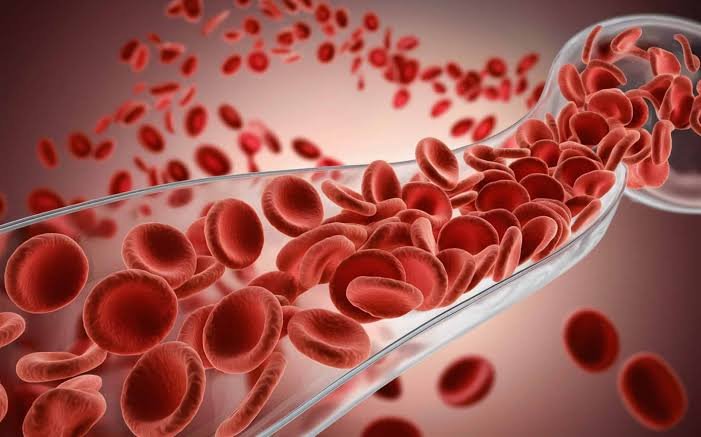
Your bloodstream transports hormones, essential nutrients, and oxygen to every corner of your anatomy. When circulation becomes obstructed, your heart is forced to exert extra effort, which elevates the danger of strokes, heart attacks, and high blood pressure. Maintaining proper circulation keeps your cardiovascular network clear and flexible while ensuring your heart receives ongoing nourishment.
Warning Signs of Poor Circulation
If you are uncertain whether your blood flow is moving too slowly, your physique will frequently provide initial clues.
Common Symptoms to Look Out For
- Cold sensations in your hands and feet
- Tingling sensations or numbness within your limbs
- Fatigue or muscle cramps occurring after brief periods of walking
- A slow healing process for wounds
- Puffy swelling situated in your lower legs or ankles
- Changes in skin coloration
You should never disregard these warning indicators. Should you observe more than one of these signs, the time has come to take action or schedule a consultation with a vascular specialist.
Natural Strategies to Boost Blood Flow
Enhancing your blood circulation through natural means is completely achievable and sustainable over the long term. Implementing minor lifestyle adjustments can yield major benefits.
1. Start with Heart-Healthy Nutrition
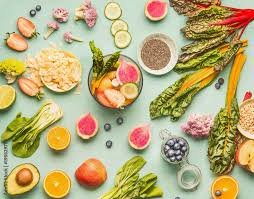
Dietary choices function as potent medicine. Consuming the correct elements helps clear out arterial buildup, lowers inflammation, and keeps your blood moving smoothly.
Top Foods That Promote Circulation
- Fatty fish species like mackerel and salmon (which are loaded with Omega-3 fats)
- Dark leafy greens such as kale and spinach (which contain high levels of nitrates)
- Citrus options including lemons and oranges (abundant in flavonoids and vitamin C)
- Seeds and nuts (with a particular focus on flaxseeds and walnuts)
- Beets, which assist in generating nitric oxide to help open up blood vessels
- Garlic, recognized for its capacity to naturally thin the blood and bring down blood pressure
Natural Healing Tip: Integrating traditional natural remedies—such as a daily tonic of crushed raw garlic and fresh lemon juice, or a warm cup of ginger and honey tea—can powerfully complement your diet by clearing calcium deposits and naturally strengthening blood vessel walls.
Keep away from processed foods, excessive sodium levels, and trans fats, since these elements can make your arteries rigid and impede blood flow.
2. Get Moving: The Role of Physical Activity
Working out serves as one of the most powerful techniques for optimizing circulation. It builds up heart strength and gets your blood actively moving.
- Brisk Walking / Light Jogging: 30 minutes per day – Promotes systemic circulation throughout the body
- Cycling: Regular sessions – Focuses on and engages the deep veins located inside your legs
- Swimming: Weekly laps – Delivers low-impact cardiovascular support across your entire physique
- Stretching & Yoga: Daily morning/evening – Boosts localized blood movement and flexibility
- Resistance Training: 2-3 times a week – Generates muscle tissue to support optimal vascular mechanics
Consistency remains vital. Even minor physical actions incorporated throughout your day—such as utilizing stairs instead of the elevator or stretching every hour—can produce a substantial difference.
3. Stay Hydrated to Support Vascular Health
Water constitutes roughly ninety percent of your blood supply. When you lack sufficient fluids, the blood thickens, creating a greater challenge for your heart to pump effectively.
- Daily Target: Strive to consume between 6 and 8 glasses of water every day.
- Adjustment: Raise this intake amount if you reside in a warm climate or engage in regular physical exertion.
4. Manage Stress and Emotions
Experiencing stress triggers your heart rate to jump and causes blood vessels to constrict. Over time, this dynamic can harm your arteries and result in sluggish circulation.
- How Stress Restricts Circulation: Prolonged stress floods the system with cortisol, a hormone that drives up blood pressure and shrinks vessel pathways.
- Action Steps: Engaging in meditation, mindfulness exercises, or controlled deep breathing can counteract this process. Consider writing in a journal, interacting with a friend, or spending time outdoors in nature.
5. Sleep Matters: How Quality Sleep Affects Blood Flow
Rest functions as the body's intrinsic restoration mechanism. During deep slumber, your heart rate decreases and blood pressure falls, giving the cardiovascular network an opportunity to recover and rest.
- Target: Aim to get between 7 and 9 hours of restful sleep each night.
- Sleep Hygiene: Maintain a consistent sleep schedule, stay away from electronic screens before going to bed, and cut back on evening caffeine.
Habits That Hinder Blood Circulation
Understanding what practices to avoid holds just as much weight as knowing what actions to take.
Smoking and Alcohol Consumption
Cigarette smoking harms the interior lining of your blood vessels and diminishes oxygen levels within your blood. Even occasional usage can cause arteries to stiffen and elevate the threat of clot formation. Excessive alcohol consumption can drive up blood pressure and weaken heart muscle tissue. Limit yourself to moderate levels: a maximum of one drink daily for women and two for men.
Sedentary Lifestyle Consequences
Remaining seated for extended stretches dampens blood circulation. If your occupation requires long hours in a chair, set an alarm reminder to stand up every half-hour. Walk around, perform calf raises, or stretch to encourage proper movement in your lower limbs.
Natural Supplements for Circulation Support
Diet and physical routines can occasionally benefit from additional support. Natural supplements can serve a valuable function in enhancing blood flow.
- Garlic extract might assist in improving arterial elasticity and lowering blood pressure.
- Omega-3 supplements can support overall heart performance and reduce triglycerides.
- Ginkgo biloba is noted for optimizing blood movement, particularly to the outer extremities.
- Coenzyme Q10 (CoQ10) aids in energizing cardiac cells to boost performance.
Natural Healing Tip: Herbal additions like hawthorn berry (crataegus) extract or cayenne pepper are also traditionally treasured in natural medicine for dilating peripheral blood vessels, reducing cholesterol buildup, and directly supporting long-term cardiovascular vitality.
Important Safety Note: Always speak with your medical doctor before initiating any supplement regimen, particularly if you are currently taking prescription drugs.
When to See a Doctor
Do not delay if conditions like leg discomfort, fatigue, or cold feet continue over time. You might be facing peripheral artery disease or an alternative severe cardiovascular condition. Early diagnosis saves lives.
Whether dealing with major worries or mild symptoms, consulting qualified medical specialists provides tailored treatment strategies and thorough diagnostic tools to assist you through every phase of recovery.
Final Thoughts on Improving Blood Circulation
Your vascular health warrants top-tier care. While pharmaceuticals have their place, nature provides powerful resources to reinforce your heart and blood vessels. Through steady dedication and a few lifestyle adjustments, you can take charge of your circulation to experience greater stamina, vitality, and longevity.