

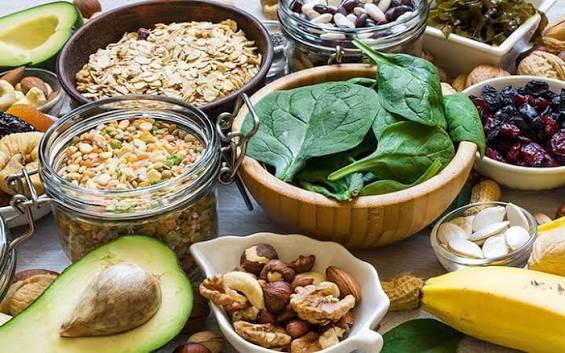
Your body holds around 25 grams of magnesium, roughly the weight of a few coins. That small amount is involved in more than 300 enzyme reactions. ATP, the fuel your cells burn, works mainly in a form bound to magnesium. Without enough magnesium, cells struggle to use their own energy. It steadies the heartbeat, lets muscles relax after they contract, calms overexcited nerve cells, and helps build bone and DNA.
And yet magnesium is one of the most overlooked nutrients in medicine. A large share of people, possibly most, don't get enough. Few of them ever find out, because the standard test is looking in the wrong place.
Here is why that happens, what newer research shows magnesium really does, and why some of the most exciting claims deserve a second look.
Why the Standard Blood Test Misses It
About 63% of your magnesium is stored in bone and around 27% in muscle. Less than 1% floats in the blood serum, which is exactly what a routine lab test measures.
The body guards that blood level carefully. When intake runs low, it pulls magnesium out of bone and tissue to keep serum levels stable, because the heart and nerves cannot tolerate swings. The result is that serum magnesium can look perfectly normal while the body's reserves are being drained. Serum levels typically drop only once a deficiency is already severe.
There is also debate about where "normal" even begins. The lower limit most labs use dates back to the 1970s and was based on population averages, not on health outcomes. Some researchers argue the healthy threshold should be noticeably higher, which would mean many people labeled "normal" are not.
Measurements of magnesium inside cells, such as in red or white blood cells, are considered better reflections of the body's true status. They are rarely ordered.
What the Newest Research Shows
Blood pressure: real, but not for everyone
Magnesium does lower blood pressure, but mostly in two groups: people who already have high blood pressure and people who are low in magnesium. In people with normal blood pressure, the effect is minimal.
This is a recurring theme in magnesium research. It is not a booster for people who already have enough. It corrects a shortfall.
Metabolism: small gains that add up
Across dozens of trials, magnesium has been linked to small but consistent improvements in body weight, blood pressure, insulin resistance, blood fats and inflammation. None of these changes is dramatic on its own, but they all point in the same direction.
It also lowers markers of chronic inflammation and helps blood vessels relax.
The vitamin D connection most people never hear about
This may be the most practical finding of all. The enzymes that turn vitamin D into its active form depend on magnesium. In a clinical trial, magnesium raised vitamin D in people who were low, but lowered it in people whose levels were already high. It works less like a booster and more like a thermostat.
That could explain why some people barely respond to vitamin D supplements, even at high doses. Without enough magnesium, the vitamin D pathway effectively stalls.
For anyone taking vitamin D without seeing their levels move, this is a question worth bringing to a doctor.
The brain: memory, mood and aging
People who eat more magnesium tend to have larger brain volumes, including in the hippocampus, the brain's memory center, and fewer signs of small-vessel damage. In one large study, those eating the most had brains that looked about a year younger by middle age than those eating a typical amount. The link was stronger in women, especially after menopause. Studies like this show a connection, not proof of cause.
For mood, small trials in people with depression found that magnesium reduced symptoms. The signal is consistent, though larger studies are still needed.
Then come the headline results. A form called magnesium L-threonate has been reported to improve deep sleep, memory and reaction time, and even to turn back "cognitive age" by several years.
The catch: these studies tested a single patented brand, heavily promoted by its maker, mostly in young and healthy people. Objective sleep measurements did not always improve. The results are interesting, but not yet confirmed independently.
Who Pays for Magnesium Research?
That catch points to a bigger problem. Plain magnesium is a cheap element that no one can patent. There is little commercial incentive to fund the large, long, expensive trials that drugs routinely get. This is why so much magnesium research consists of small studies, and why the forms receiving the most new clinical attention are often proprietary brands that someone can sell at a premium.
The same logic works in reverse. Some widely used drugs deplete magnesium, and this gets surprisingly little attention. The US FDA has warned that long-term use of proton pump inhibitors, common stomach acid drugs such as omeprazole and pantoprazole, can cause low magnesium, sometimes so severe that supplements alone do not fix it and the drug has to be stopped. Few doctors think to check, so the problem is likely under-recognized.
None of this requires a conspiracy. It is simply what happens when research follows money: the cheap, unpatentable mineral gets small studies, while its quiet depletion by profitable drugs gets a footnote on a label.
Signs and Risk Factors
Mild magnesium shortfall rarely announces itself clearly. Commonly reported signs include muscle cramps and twitches, fatigue, poor sleep, irritability, headaches and heart palpitations. None of these are specific to magnesium, which is part of why it is so easily missed.
Risk is higher for people who:
- eat mostly refined and processed food, since refining grains strips most of their magnesium
- take proton pump inhibitors long term, or certain diuretics
- drink alcohol heavily
- have type 2 diabetes or digestive conditions that affect absorption
- are older, since absorption tends to decline with age
- are under chronic stress or sweat heavily through intense training
How to Get More
Food remains the best foundation. The richest sources include pumpkin seeds, almonds, cashews, dark leafy greens such as spinach, beans and lentils, whole grains, avocado, dark chocolate and fatty fish such as salmon. These are exactly the foods a modern refined diet tends to crowd out.
If you consider a supplement, a few points are worth knowing:
- Form matters. Organic forms such as citrate and glycinate are generally absorbed somewhat better than magnesium oxide, which is cheap and more likely to act as a laxative.
- Kidney function matters most. The kidneys are what clear excess magnesium. People with kidney disease should not supplement without medical supervision.
- Check medication interactions. Magnesium can interfere with the absorption of some antibiotics and osteoporosis drugs, so timing may need adjusting.
- Ask about the right test. If symptoms suggest low magnesium but your serum result was normal, it is reasonable to ask whether an intracellular test would give a clearer picture.
Magnesium will not cure everything the supplement aisle promises. But the research keeps returning to the same conclusion: a large share of people are running low, the standard test often cannot see it, and correcting the shortfall touches the heart, metabolism, vitamin D, sleep and the brain all at once. For a mineral that costs almost nothing, that is a remarkable amount of leverage.
Recipe: Magnesium, Straight From Nature to Your Plate
A fresh, colorful salad built on two of the best plant sources of magnesium, quinoa and black beans, with nothing processed in it. It works as a light main dish or a side, and it tastes even better the next day once the flavors settle.
Recipe from the National Heart, Lung, and Blood Institute (NIH), also featured on USDA MyPlate: Quinoa and Black Bean Salad
Makes 6 servings
Ingredients:
- 1/2 cup quinoa (dry)
- 1 1/2 cups water
- 1 1/2 tablespoons olive oil
- 3 tablespoons lime juice
- 1/4 teaspoon ground cumin
- 1/4 teaspoon ground coriander
- 2 tablespoons fresh cilantro, chopped
- 2 medium scallions, minced
- 1 can (15.5 oz) low-sodium black beans, rinsed and drained
- 2 cups chopped tomatoes
- 1 red bell pepper, chopped
- 1 green bell pepper, chopped
- 2 green chiles, minced (to taste)
- black pepper, to taste
Method:
- Rinse the quinoa under cold water. Bring the water to a boil, add the quinoa, and once it boils again, lower the heat and simmer for 10 to 15 minutes, until the water is absorbed. Let it cool for about 15 minutes.
- While the quinoa cooks, stir together the olive oil, lime juice, cumin, coriander, cilantro and scallions in a small bowl.
- In a large bowl, combine the black beans with the tomatoes, peppers and chiles.
- Add the cooled quinoa and the dressing, season with black pepper, and mix well. Cover and refrigerate until ready to serve.
Magnesium boost: Sprinkle each serving with a tablespoon or two of toasted pumpkin seeds, or serve the salad on a bed of fresh spinach. Both are among the richest magnesium sources there are, and they turn a good salad into a real magnesium meal.
Sources
Argeros Z, Xu X, Bhattarai BB, et al. Magnesium supplementation and blood pressure: A systematic review and meta-analysis of randomized controlled trials. Hypertension, 2025;82(11):1844–1856.
Comprehensive effects of magnesium supplementation on cardiometabolic risk factors: A systematic review and dose-response meta-analysis of 78 randomized controlled trials. 2026. PubMed ID 42588058.
Veronese N, et al. Effect of magnesium supplementation on inflammatory parameters: A meta-analysis of randomized controlled trials. Nutrients, 2022;14(3):679.
Dai Q, Zhu X, Manson JE, et al. Magnesium status and supplementation influence vitamin D status and metabolism: results from a randomized trial. American Journal of Clinical Nutrition, 2018;108(6):1249–1258.
Sun E, Zhu X, Ness RM, et al. Magnesium treatment increases gut microbiome synthesizing vitamin D and inhibiting colorectal cancer: results from a double-blind precision-based randomized placebo-controlled trial. American Journal of Clinical Nutrition, 2025;122(5):1185.
Alateeq K, Walsh EI, Cherbuin N. Dietary magnesium intake is related to larger brain volumes and lower white matter lesions with notable sex differences. European Journal of Nutrition, 2023.
Moabedi M, Aliakbari M, Erfanian S, Milajerdi A. Magnesium supplementation beneficially affects depression in adults with depressive disorder: a systematic review and meta-analysis of randomized clinical trials. Frontiers in Psychiatry, 2023;14:1333261.
Hausenblas HA, et al. Magnesium-L-threonate improves sleep quality and daytime functioning in adults with self-reported sleep problems: A randomized controlled trial. Sleep Medicine: X, 2024;8:100121.
Lopresti AL, Smith SJ. The effects of magnesium L-threonate (Magtein®) on cognitive performance and sleep quality in adults: a randomised, double-blind, placebo-controlled trial. Frontiers in Nutrition, 2025;12:1729164 (published January 2026).
DiNicolantonio JJ, O'Keefe JH, Wilson W. Subclinical magnesium deficiency: a principal driver of cardiovascular disease and a public health crisis. Open Heart, 2018;5(1):e000668.
Costello RB, et al. Perspective: The case for an evidence-based reference interval for serum magnesium: The time has come. Advances in Nutrition, 2016.
US Food and Drug Administration. Drug Safety Communication: Low magnesium levels can be associated with long-term use of proton pump inhibitor drugs (PPIs). March 2011.
Health Sciences Authority Singapore. Risk of hypomagnesaemia associated with long-term use of proton pump inhibitors. August 2011.
National Heart, Lung, and Blood Institute (NIH). Quinoa and Black Bean Salad. Delicious Heart Healthy Latino Recipes.