
Often called "low blood," anemia means your body has fewer red blood cells (erythrocytes) than it should. Women are especially prone to it. The causes fall into three groups: not getting enough iron from food, not absorbing iron properly, or losing too much blood, whether through heavy bleeding, a stomach ulcer, or a serious illness.
Iron-deficiency anemia tends to creep up quietly. It only shows once your iron reserves are depleted and hemoglobin begins to drop, and hemoglobin doesn't fall until anemia has reached its third stage. Hemoglobin is the oxygen-carrying protein made in your bone marrow, and without enough iron, your body simply can't produce enough of it.
Why Anemia Matters
It's fair to say that pregnancy and the months after giving birth are among the most vulnerable periods a woman's body goes through. Anemia during this time can affect both mother and baby:
- The baby's growth and development may slow down.
- Premature birth and low birth weight become more likely.
- Without enough hemoglobin, less oxygen reaches the baby.
- The risk of infection after delivery is higher.
- The newborn may be anemic too.
- A baby who receives too little iron in the womb is born with smaller iron reserves, and iron is vital during the first six months of life.
Signs to Watch For
You may be anemic if you:
- find physical activity hard and run short of breath
- feel exhausted most of the time
- suffer from headaches
- frequently feel faint, dizzy, or unsteady when walking
- notice your skin and hair have become dry
- feel anxious
Anemia can also exist without any symptoms at all, and the body often learns to compensate for the shortfall, which makes these signs easy to miss. A simple blood test is the only way to know for sure, so it's worth having one done.
How Food Can Help
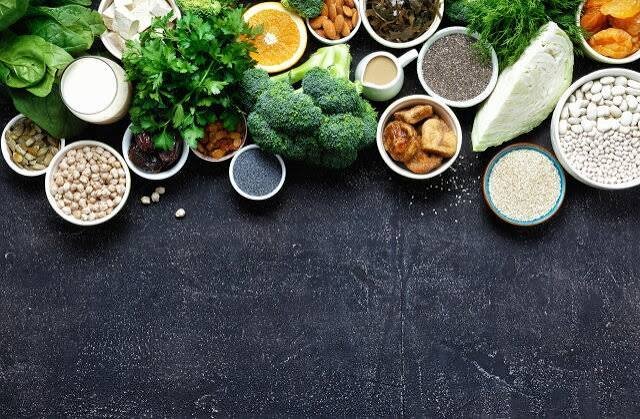
Anemia most often stems from a diet that lacks iron or from poor absorption. That's exactly why what you eat can make such a difference, especially when you start early. Meals rich in iron, folic acid, vitamin C, and protein support a healthier blood count and help raise both hemoglobin and ferritin (your stored iron). Think of good nutrition as your daily line of defense.
Build your meals around:
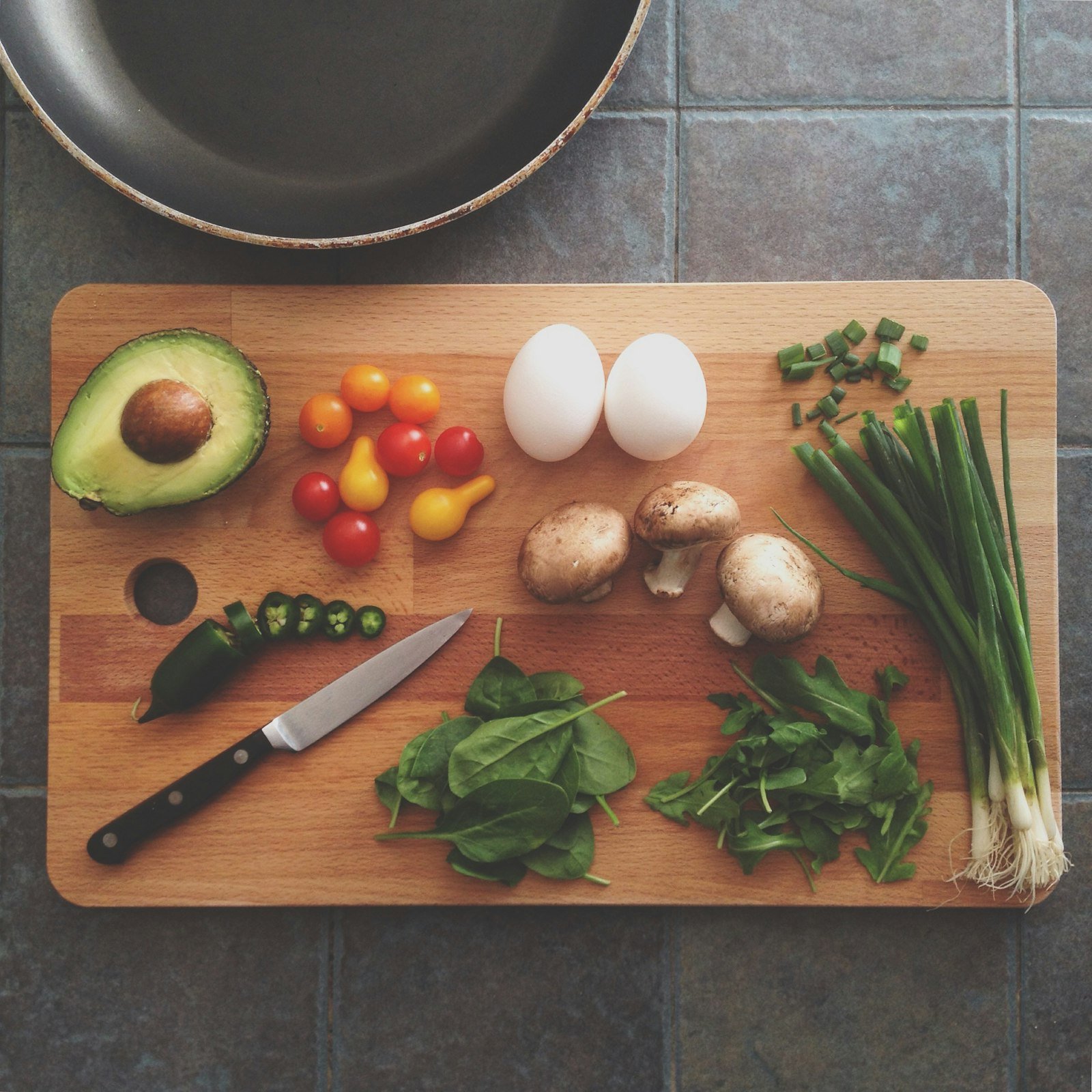
- Fresh fruit: strawberries, blackberries, blueberries, currants, citrus
- Leafy greens: spinach, Swiss chard, patience dock, nettle
- Protein: eggs and lean meat (meat provides the most easily absorbed iron)
- Legumes and grains: lentils, beans, chickpeas, soy, buckwheat
- Other good choices: beetroot, raisins, prunes, pumpkin and sunflower seeds, cocoa
How Much Iron Is in Your Food?
| Food (per 100 g) | Iron (mg) |
|---|---|
| Cow's milk, 1.8% fat | < 0.1 |
| Cottage cheese, 1.5% fat | 0.1 |
| Powdered milk (skimmed) | 0.3 |
| Beef (lean) | 2.5 |
| Pork | 0.8–1.0 |
| Chicken | 0.7–1.0 |
| Turkey | 1.0 |
| Sardines (canned) | 2.9 |
| Beef liver (cooked) | 6.5–6.8 |
| Chicken liver (cooked) | 8.5–9.0 |
| Pork liver | 18–23 |
| Egg yolk (raw) | 2.7 |
| White beans (dry / cooked) | 10.4 / 3.7 |
| Lentils (dry / cooked) | 6.5–7.5 / 3.3 |
| Whole wheat flour | 3.6 |
| Raw almonds | 3.7 |
| Spinach (raw / cooked) | 2.7 / 3.6 |
| Prunes | 0.9 |
| Pumpkin seeds (raw) | 8.4–8.8 |
| Cocoa powder (unsweetened) | 13.9 |
A few things worth knowing about these numbers:
- Dry versus cooked legumes. Beans and lentils soak up water as they cook, so 100 g of cooked legumes contains roughly a third of the iron found in 100 g of the dry seeds. Since a typical serving of lentils is well over 100 g, they remain one of the best plant sources of iron.
- Not all liver is equal. Pork liver is by far the richest source, followed by chicken liver and then beef liver. Liver is also very high in vitamin A, so during pregnancy keep it to a small portion, no more than about 75 g a week.
- Dairy is low in iron. Milk, cheese, and powdered milk provide almost no iron, and their calcium actually blocks iron absorption. That's why dairy is best kept separate from iron-rich meals.
- Spinach looks richer when cooked. Cooking shrinks spinach, so 100 g of cooked spinach holds more leaves, and more iron, than 100 g of raw. Spinach also contains oxalates that limit absorption, so pair it with a source of vitamin C.
- Seeds are small but mighty. Pumpkin seeds are among the best plant sources of iron and are easy to sprinkle over salads, yogurt, or oatmeal.
For folic acid, reach for leafy greens, wheat germ, beans, chickpeas, lentils, dried fruit, and fortified foods.
Steer clear of tea at mealtimes, whether plain or with milk or lemon, as well as fizzy drinks. They can get in the way of iron absorption.
Making Every Bit of Iron Count
- Plant iron versus animal iron. Your body absorbs non-heme iron from plants less readily than heme iron from animal foods. Pairing foods thoughtfully and adding vitamin C from fresh produce boosts how much iron you get from plants.
- Watch what you pair it with. Calcium interferes with iron uptake, so keep milk, dairy, and other calcium-rich foods away from iron-rich meals. Do the same with tea and coffee.
If You Take Iron Supplements
- Never wash them down with milk, coffee, or tea, which sharply reduce absorption.
- Take them with a source of vitamin C (lemons, oranges, peppers, tomatoes) to help your body absorb the iron.
- Make sure your diet also provides vitamin B12 (fish, eggs, meat, dairy) and folic acid (leafy greens, legumes), which your body needs alongside iron to build healthy red blood cells.
- Leave calcium and caffeine out of any meal where you're relying on iron.
Sources
U.S. Department of Agriculture, Agricultural Research Service. FoodData Central. fdc.nal.usda.gov
HealthLinkBC. Iron in Foods. HealthLinkBC File #68d, February 2017.
Dietitians of Canada. Sources of Iron.
National Blood Transfusion Service Malta. Iron Rich Foods.