
Herbal medicine recognizes several thousand plants with healing properties, but it is enough to keep a few herbs in your home medicine cabinet so they are at hand when you need them. For their effect to be complete, it is important to note that herbs should be of good quality, properly harvested, dried and stored, and no older than one year!
Serbian herbalist Momčilo Antonijević singles out these five herbs that every home should have.
1. Yarrow
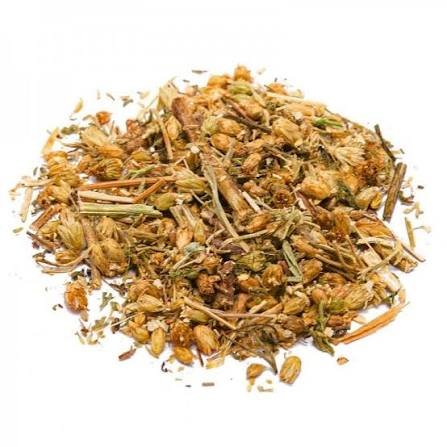
Yarrow is a good herbal remedy for wounds, cuts, burns, insect stings and skin inflammation. A balm or oil made from yarrow is very effective in treating hemorrhoids, especially bleeding ones. Yarrow tea is an excellent way to strengthen the body, stimulate the appetite and regulate the digestive organs.
Thanks to the sterols it contains, yarrow is warmly recommended for women who suffer from painful and irregular periods. For this purpose, yarrow is best taken mixed with an equal amount of lady's mantle. It is recommended for people who suffer from gastritis. Thanks to its high tannin content, yarrow is a good remedy for stopping diarrhea.
- Mixed with lemon balm and fennel, yarrow relieves gas, bloating and poor digestion.
- Combined with immortelle and spearmint, yarrow has a beneficial effect on the liver.
- Mixed with rosemary and calendula, yarrow stimulates circulation.
2. Juniper
Juniper is very popular and often used, especially for urinary infections. Juniper berry tea stimulates the kidneys, so it is recommended for people who suffer from renal insufficiency. Juniper is also a very effective antiseptic for the urinary tract, and people who suffer from persistent E. coli infections should drink a tea of its berries (usually in combination with birch and oregano). Juniper is also recommended for cystitis, bladder prolapse and weakness of this organ.
Juniper also acts on the digestive organs, stimulates them and relieves bloating. It is also used by people who suffer from a lack of stomach acid. Sebastian Kneipp recommended juniper to people suffering from respiratory infections, bronchitis and asthma. Juniper is an excellent choice when you have the flu, because it contains compounds with antiviral action (in that case it is combined with lemon balm and elderflower).
This plant also has a long tradition of use in tea blends and balms for rheumatism, gout and rheumatoid arthritis. People who suffer from these conditions are advised to eat about ten juniper berries every day for a period of one month.
3. Lemon Balm
In folk medicine, lemon balm is considered one of the most powerful herbs for calming the nervous system, for insomnia and nervousness, and for preventing the symptoms of depression. Lemon balm is also a good choice against headaches, especially those caused by mental exhaustion. It is an indispensable ally against nervousness, anxiety and a whole range of psychosomatic illnesses that can appear as a result of stress. It also eases digestive complaints, bloating, poor digestion and diarrhea (especially when they are psychosomatic in nature).
Everyone who suffers from angina pectoris should, twice a year for four months at a time, drink two cups a day of a blend of lemon balm, angelica and rosemary. In combination with mint, it is recommended for people with thyroid disorders.
Lemon balm is a very good remedy for viral infections. If you have the flu, be sure to drink two to three cups of warm lemon balm and elderflower tea. Lemon balm has also proven effective against the herpes virus (herpes simplex and herpes zoster). It is warmly recommended for pregnant women who suffer from nausea.
4. Nettle
One of the world's greatest herbalists, Maurice Mességué, said that if you could bring back only one plant for your medicine cabinet from a trip, let it be nettle.
This plant is one of the best sources of chlorophyll, the green pigment that increases the number of red blood cells, that is, hemoglobin in the blood. Besides chlorophyll, nettle contains tannins, glucokinin – a substance that lowers blood sugar – plenty of vitamins C and K, phosphorus, magnesium, sodium, potassium, calcium, formic, acetic and silicic acid, acetylcholine and histamine.
Nettle gives excellent results for rheumatism, diarrhea, bladder stones, diabetes, low blood pressure, and internal and external bleeding, especially in combination with shepherd's purse, lady's mantle and calendula. Nettle is also used very successfully to strengthen hair roots and against dandruff.
Nettle is a first-class tonic and a remedy for cleansing the body, so it is recommended for convalescents and for weak and pale people. It is also a diuretic and is beneficial for all kidney and bladder problems, so it speeds up the elimination of toxins from the body. That is exactly why it is used against eczema, skin allergies and, paradoxically, hives.
A blend of nettle, bean pods, mulberry leaf and blueberry leaf is recommended for diabetics.
5. Calendula
Calendula heals small wounds in the stomach and duodenum and normalizes liver function and bile secretion. Thanks to the anti-inflammatory action of its flavonoids, this plant calms inflammation of the large intestine. It has been found that calendula can cleanse blood vessels, widen them and lower blood cholesterol, especially in combination with dandelion, hawthorn or hemp-agrimony (Eupatorium cannabinum). It is also recommended for angina pectoris.
Calendula is a good herbal antispasmodic (it relieves cramps), and this property shows in many ways in the body: it relieves uterine cramps and at the same time strengthens the uterus, which brings relief with painful periods; it also eases spasms of the airways, so it helps with asthma.
Thanks to its provitamin A content, calendula has a beneficial effect on the eye (the cones and rods) and improves eyesight. For this purpose, calendula is used both externally and internally. Sterile calendula tea is used to bathe the eyes in conjunctivitis and eye irritation.
Calendula is exceptionally beneficial for the skin. It is used for burns, wounds and hemorrhoids. Because of its provitamin A, it helps with psoriasis. In folk medicine, numerous balms are made from this plant for impetigo, dry and weeping eczema and scaly lichen. It stimulates the formation of new cells and removes pus, so it is used for an infected nail bed.
Calendula has proven to be an exceptionally effective remedy against fungal infections, especially candida. It induces sweating, so it is used for fever and chills. Its antiviral action has also been established. In combination with yarrow and nettle, it is recommended for people who have completed radiation therapy or chemotherapy.
See how nettle is used in practice in Herbs for Anemia and Allergies: Natural Remedies.