
Autumn is the season when flu epidemics and respiratory infections run rampant. These illnesses can leave us unable to work and keep us in bed for several days. The average adult catches a cold two to three times a year, and children as many as nine times. For healthy, vital people they are only an unpleasant nuisance that comes in autumn when the weather turns cold. But for the chronically ill, the weak and the elderly, they can be a serious problem. That is exactly why it is better to act preventively and do everything to stop the illness before it starts.
The herbal recipes in this article come from the work of Serbian herbalist Momčilo Antonijević.
What Is a Cold?
A cold is a type of infection caused by a group of two hundred different viruses. When the virus enters our body, the familiar symptoms appear: a sore throat, sneezing, a runny nose, fever, fatigue, muscle aches, coughing… The viruses that cause colds can survive for several hours on door handles, handrails in public transport and the hands of infected people, so it is very important to wash your hands often, avoid touching your nose, mouth or eyes and, of course, avoid crowded places.
Medicinal herbs are an excellent way to help yourself avoid getting sick, or, if it has already happened, to recover as easily and quickly as possible. Another reason to turn to herbs is the misuse of antibiotics, which many people take on their own, very often for viral infections on which this group of medicines has no effect at all.
Herbs That Strengthen the Body's Defenses
Some herbs are able to strengthen the body's defenses. Most often these are herbs that contain hydrocolloid polysaccharides, that is, flavonoids. This group includes lemon balm (Melissa officinalis), broadleaf plantain (Plantago major), licorice (Glycyrrhiza glabra), burdock (Arctium lappa), juniper (Juniperus communis), which contains an antiviral compound – deoxypodophyllotoxin – and, of course, the best known in this group, echinacea (Echinacea purpurea).
Echinacea
This plant and the preparations made from it are a worldwide hit. Echinacea is harmless and very effectively boosts immunity (it increases the level of properdin, a substance in our body that stimulates our defenses). Phytotherapists also use it in treating allergies and sinus problems.
People who use echinacea, whether to protect themselves from infection or to ease symptoms, are advised to take preparations of this plant in the prescribed amounts, but for four to five days in a row, because a state of heightened immunity is an emergency state for our body and it is not good for the body to get used to it. That is why a two-day break is recommended after five days.
Echinacea causes a tingling and numbness of the tongue, which is a harmless reaction. A preparation that does not cause this reaction probably does not contain echinacea in the stated percentage.
Herbs with Essential Oils
Herbs that contain essential oils have antiseptic, antimicrobial, fungicidal and antiviral effects, so they can be very useful in treating colds, sinus infections and other infections. Among the strongest antiseptics are wild thyme (Thymus serpyllum), thyme (Thymus vulgaris), winter savory (Satureja montana), basil (Ocimum basilicum), oregano (Origanum vulgare) and hyssop (Hyssopus officinalis). A tea made from any of these herbs will be a great help in staying healthy even when you have to spend time in crowded places, which is one of the most common ways to become infected.
Inhalation with Eucalyptus Oil
For infections of the upper respiratory tract, a runny nose and sinusitis, inhalation can be of great benefit. You can use dried herbs, but also essential oils – concentrated substances containing a multitude of aromatic components that will help you stay healthy or recover as soon as possible.
One of the best essential oils for this purpose is eucalyptus (Eucalyptus globulus). Heat water, add a few drops of this oil and inhale the steam. Combinations of eucalyptus oil with pine, mint or tea tree oil are also very good. If you have trouble clearing mucus from your airways, combine it with lemon essential oil. One drop of eucalyptus oil in an aroma lamp diffuser can destroy 70% of the staphylococci in the air.
We all know the beneficial effect of old home remedies – chicken soup, apple cider vinegar and hot lemonade, as well as vitamin C – which official science increasingly confirms.
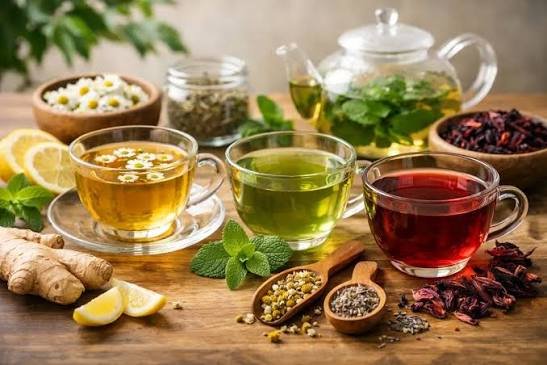
4 Herbal Teas for Colds and Flu
Tea for Boosting Immunity
- Lemon balm (Melissa officinalis) – 20 g
- Licorice (Glycyrrhiza glabra) – 20 g
- Broadleaf plantain (Plantago major) – 20 g
- Wild thyme (Thymus serpyllum) – 20 g
- Elderflower (Sambucus nigra) – 20 g
Mix all the herbs, then pour half a liter of boiling water over 3 tablespoons of the mixture. Stir, cover and leave for 15 minutes. Strain, sweeten with honey and add a little lemon juice.
Tea for Colds, Runny Nose and Sinusitis
- Basil (Ocimum basilicum) – 40 g
- Winter savory (Satureja montana) – 30 g
- Peppermint (Mentha piperita) – 30 g
Mix all the herbs, then pour half a liter of boiling water over 3 tablespoons of the mixture. Stir, cover and leave for 20 minutes. Strain, sweeten with honey and drink throughout the day.
Tea for Fever
- Elderflower (Sambucus nigra) – 40 g
- Linden (Tilia cordata) – 30 g
- Chamomile (Matricaria chamomilla) – 30 g
Mix all the herbs, then pour half a liter of boiling water over 3 tablespoons of the mixture. Stir, cover and leave for 10 minutes. Strain, sweeten with honey and drink as hot as possible.
Tea for Irritated Airways and Dry Cough
- Anise (Pimpinella anisum) – 20 g
- Licorice (Glycyrrhiza glabra) – 20 g
- Broadleaf plantain (Plantago major) – 20 g
- Elderflower (Sambucus nigra) – 20 g
- Wild thyme (Thymus serpyllum) – 20 g
Mix all the herbs, then pour 750 ml of boiling water over 4 tablespoons of the mixture. Stir, cover and leave for half an hour. Strain and drink throughout the day.
To strengthen your defenses before the cold season even starts, see Natural Remedies for Boosting Immunity.