
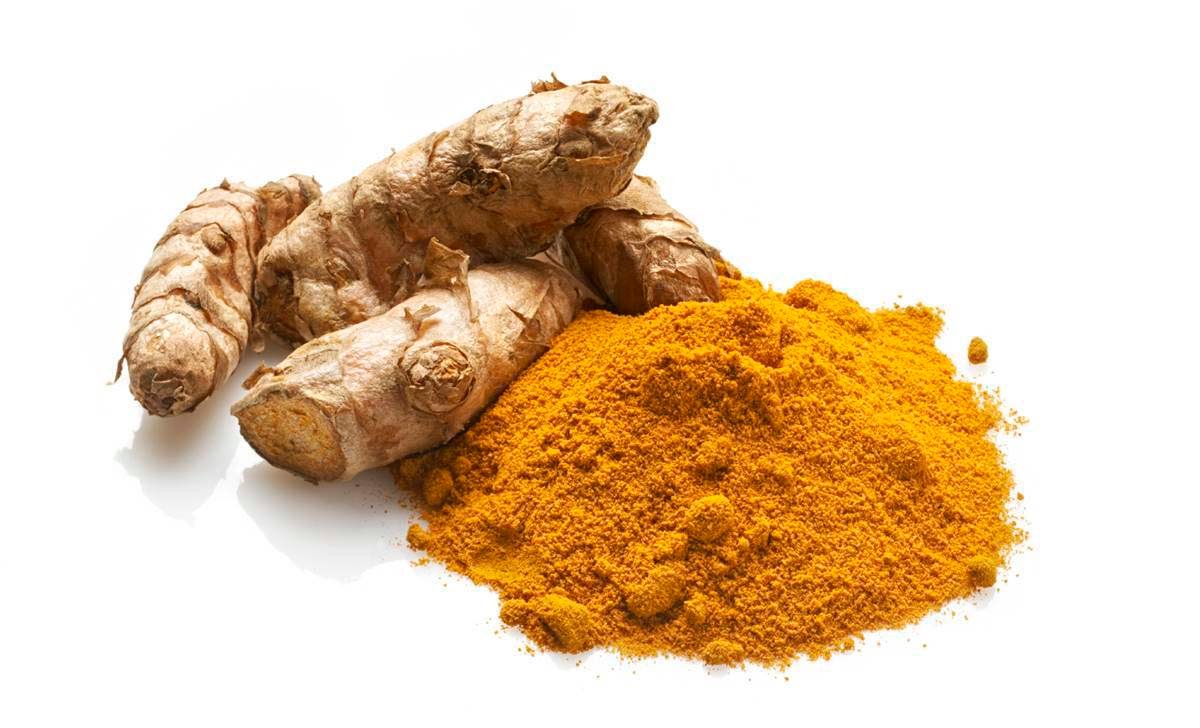
Why Turmeric Earned the Status of the "Golden Spice" and Why Liposomal Turmeric Is Recommended
In today's world, overwhelmed by synthetic supplements and aggressive therapies, an increasing number of people are turning to nature in search of sustainable solutions for preserving health. At the very forefront of this search is turmeric (Curcuma longa)—a spice whose healing power has been measured over thousands of years, and whose effectiveness is now confirmed by rigorous scientific studies. However, there is one fundamental problem: our body cannot efficiently utilize curcumin, the main active ingredient of turmeric, in its classic form. This is where liposomal turmeric comes into play—a revolutionary delivery technology that transforms this ancient plant into a modern weapon against disease.
What Is Turmeric and Since When Has It Been Used in Medicine
Turmeric is a perennial plant from the ginger family (Zingiberaceae), native to South Asia, especially India and Indonesia. Its underground stem root (rhizome) contains an intensely yellow color and a characteristic aroma, and its main bioactive ingredient is curcumin—a polyphenolic compound responsible for most of the therapeutic properties of this plant.
Ancient History of Use
The use of turmeric in medicine dates back over 4,000 years. In Ayurveda, traditional Indian medicine, turmeric was considered a sacred plant and was used to treat a wide range of conditions—from digestive disorders and respiratory infections to skin diseases and injuries. In Traditional Chinese Medicine, turmeric was used to stimulate blood circulation, relieve menstrual pain, and treat abdominal pain.
In folk tradition, turmeric was used as:
- A natural antibiotic for preventing infections
- A remedy for accelerating wound healing (external and internal application)
- A digestive tonic for improving digestion and eliminating toxins
- An anti-inflammatory agent for relieving joint and muscle pain
- A liver detoxifier for supporting metabolism
Modern Science Confirms Ancient Wisdom
Today, modern medical research systematically confirms what ancient healers knew through intuition. Curcumin is the subject of research in over 12,000 scientific studies, making it one of the most researched natural compounds in the world.
Key Scientific Discoveries
Scientists have identified that curcumin acts on multiple molecular levels simultaneously:
- Gene modulation: Curcumin can influence the expression of over 160 genes associated with inflammation.
- Enzyme inhibition: It blocks the activity of COX-2, LOX, and iNOS enzymes—key drivers of inflammation.
- Regulation of signaling pathways: It acts on the NF-κB pathway, the central "switch" of inflammation in the body.
- Antioxidant protection: It neutralizes free radicals and stimulates the body to produce its own antioxidants (glutathione, superoxide dismutase, catalase).
The Fundamental Problem: Low Bioavailability of Ordinary Turmeric
Although curcumin is extremely potent, there is one serious challenge—our body can barely absorb ordinary turmeric. Classic turmeric has the following limitations:
- Extremely low water solubility: Curcumin is hydrophobic, meaning it does not dissolve in water and has difficulty passing through the intestines.
- Rapid metabolism in the liver: Whatever little is absorbed is quickly broken down and eliminated by the liver.
- Rapid elimination: The half-life of curcumin in the blood is only 1-2 hours.
Studies show that ordinary turmeric powder or standard capsules have a bioavailability of less than 1%. This means that out of 500 mg of curcumin you ingest, your body actually utilizes less than 5 mg.
Liposomal Turmeric: A Revolution in Absorption
What Is Liposomal Technology?
Liposomes are microscopic "bubbles" composed of phospholipids (the same molecules that build our cell membranes). These bubbles encapsulate curcumin and protect it from degradation, allowing it to safely pass through the intestines, bloodstream, and directly into cells.
Why Is the Liposomal Form Superior?
- Protection against degradation: The liposomal coating protects curcumin from stomach acid and liver enzymes.
- Increased solubility: Liposomes enable water solubility, which is crucial for absorption through the intestines.
- Cellular delivery: Liposomes fuse with cell membranes, directly delivering curcumin into the cell.
- Prolonged action: The half-life of liposomal curcumin is significantly longer compared to the ordinary form.
How Many Times Stronger Is the Liposomal Form?
Scientific research shows astonishing results:
- Up to 185 times higher bioavailability compared to standard curcumin powder
- Up to 20 times higher bioavailability compared to curcumin combined with piperine (black pepper)
- Up to 6-7 times longer retention in the bloodstream
Scientific Reference: A study published in the journal Nutrition (2019) showed that the liposomal form achieves a plasma curcumin concentration 185 times higher than standard curcumin powder, with a significantly prolonged presence time in the organism.
For Which Health Conditions Is Liposomal Turmeric Particularly Effective?
1. Chronic Inflammation and Autoimmune Diseases
Chronic inflammation is the "silent killer" of the modern age—the primary driver of heart disease, diabetes, neurodegenerative disorders, and cancer.
- Scientific confirmation: A study from the Journal of Clinical Immunology (2012) showed that curcumin inhibits the activity of the NF-κB factor by over 80%, reducing the production of pro-inflammatory cytokines (TNF-α, IL-6, IL-1β). For patients with rheumatoid arthritis, a study from Phytotherapy Research (2012) showed that high-dose curcumin (500 mg daily) yields better results in reducing joint pain and stiffness than the standard drug diclofenac—but without side effects on the stomach and liver.
2. Joint Diseases and Osteoarthritis
Osteoarthritis affects over 250 million people worldwide. Curcumin acts on multiple fronts: it reduces inflammation, protects cartilage from further wear and tear, and modulates pain.
- Scientific confirmation: A meta-analysis from the Journal of Medicinal Food (2016), which analyzed 8 randomized controlled trials, concluded that curcumin significantly reduces pain and improves joint function in patients with knee osteoarthritis, with an effectiveness comparable to non-steroidal anti-inflammatory drugs (NSAIDs), but without the risk of gastrointestinal complications.
3. Cardiovascular Health
Turmeric protects the heart and blood vessels in multiple ways: it reduces endothelial inflammation (the inner layer of blood vessels), prevents the oxidation of LDL cholesterol (a key step in the development of atherosclerosis), and improves endothelial function.
- Scientific confirmation: A study from the American Journal of Cardiology (2012) showed that curcumin reduces the risk of postoperative complications after coronary artery bypass surgery by 56%. In a study from Nutrition Research (2014), 8 weeks of curcumin supplementation resulted in a significant reduction of inflammation markers (CRP, IL-6) and improvement in endothelial function in patients with metabolic syndrome.
4. Neuroprotection and Cognitive Health
Curcumin is one of the rare compounds that can cross the blood-brain barrier—the protective wall separating the bloodstream from the brain. This allows it direct neuroprotective action.
- Scientific confirmation: A study from the American Journal of Geriatric Psychiatry (2018) showed that curcumin at a dose of 90 mg daily for 18 months significantly improves memory and attention in healthy older adults. PET scans showed a reduction in the accumulation of amyloid plaques and tau proteins—key biomarkers of Alzheimer's disease. A study from Stem Cell Research & Therapy (2017) showed that curcumin stimulates neurogenesis (the creation of new neuronal cells) in the hippocampus, a brain region crucial for memory and learning.
5. Digestive Health and Leaky Gut Syndrome
Turmeric stimulates bile production, accelerates gastric emptying, and protects the intestinal barrier. For individuals with leaky gut syndrome, inflammatory bowel disease (IBD), Crohn's disease, or ulcerative colitis, turmeric can be extremely beneficial.
- Scientific confirmation: A study from Clinical Gastroenterology and Hepatology (2006) showed that curcumin in combination with standard therapy (mesalazine) significantly reduces relapses of ulcerative colitis. In a randomized study, 45% of patients in remission taking curcumin experienced a relapse, compared to 67% in the placebo group.
6. Metabolic Syndrome and Blood Sugar Regulation
Turmeric improves insulin sensitivity, reduces glucose production in the liver, and protects pancreatic beta-cells from oxidative stress.
- Scientific confirmation: A meta-analysis from the International Journal of Endocrinology and Metabolism (2018), covering 18 studies, concluded that curcumin significantly reduces fasting blood glucose levels, hemoglobin A1c (a long-term blood sugar control marker), and insulin resistance in patients with metabolic syndrome and type 2 diabetes.
7. Liver Support and Detoxification
The liver is the central organ of detoxification, and turmeric stimulates phase I and phase II detoxification enzymes, protects hepatocytes (liver cells) from toxins, and stimulates liver regeneration.
- Scientific confirmation: A study from Phytotherapy Research (2019) showed that curcumin significantly reduces liver enzyme levels (ALT, AST, GGT) and markers of oxidative stress in patients with non-alcoholic fatty liver disease (NAFLD)—a condition affecting about 25% of the global population.
8. Anticancer Potential
Although turmeric is not a substitute for conventional oncological therapy, scientific research shows it can play a significant role in prevention and as adjuvant therapy.
- Scientific confirmation: A study from Cancer Letters (2014) showed that curcumin inhibits angiogenesis (the creation of new blood vessels feeding a tumor), induces apoptosis (programmed cell death) of malignant cells, and inhibits metastasis. In a clinical study on colorectal cancer patients, curcumin showed disease stabilization and a reduction in inflammation markers with minimal side effects.
How Turmeric Affects Our Health – Molecular Mechanisms
- Antioxidant Network: Curcumin does not act merely as a direct antioxidant—it activates the body's own antioxidant system. It stimulates the Nrf2 pathway, the "master switch" of the cellular antioxidant response, resulting in increased production of glutathione, the most important intracellular antioxidant.
- Epigenetic Modulation: Scientists have discovered that curcumin can modify epigenetic marks—chemical "tags" on DNA that regulate which genes are switched on or off. This means turmeric can literally "switch on" health-promoting genes and "switch off" disease-promoting genes.
- Impact on the Gut Microbiome: The latest research shows that curcumin positively modulates the composition of the gut microbiome, increasing the number of beneficial bacteria (Bifidobacterium, Lactobacillus) and reducing pathogenic strains. Given that 70% of the immune system lives in the gut, this effect has far-reaching consequences for overall health.
Recommendations for Using and Dosing Liposomal Turmeric
For a therapeutic effect, a daily dose of 500 to 1000 mg of liposomal curcumin is recommended (corresponding to an equivalent of 4,000-8,000 mg of standard curcumin).
The liposomal form is best taken:
- On an empty stomach or between meals (for maximum absorption)
- In the morning (for daily anti-inflammatory and neuroprotective protection)
- With a meal rich in healthy fats (liposomes further fuse with fats from food)
Note: Turmeric is generally safe, but individuals taking anticoagulant medications (warfarin, aspirin) should consult a doctor, as turmeric has a mild anticoagulant effect.
Conclusion: Liposomal Turmeric Is an Investment in Long-Term Health
Liposomal turmeric represents the perfect blend of ancient medical wisdom and modern biotechnological innovation. It overcomes the fundamental limitation that has hindered the therapeutic potential of this golden plant for centuries. For individuals struggling with chronic inflammation, joint pain, metabolic disorders, cognitive decline, or simply wishing to proactively protect their health—liposomal turmeric capsules are not a luxury, but a rational, scientifically supported investment in vitality and quality of life.
In a world where chronic diseases dominate, and synthetic drugs often bring new problems while solving existing ones, liposomal turmeric offers a path of natural, holistic, and long-term sustainable health. The golden standard of treatment—now available in a form your body can actually use.